
A blog about my life experiences and what they have taught me
Explore by what you’re experiencing
You might arrive here feeling stressed, afraid, sad, angry or lost—or simply wanting to be more present. These reflections come from my own life. Choose what feels close to your experience, and begin there.
These are personal reflections, not treatment guides. Some essays discuss childhood abuse, grief or severe distress; notes beside those links can help you choose what to read.
Choose a topic to open its article list.
Fear & anxiety8 essays
Reflections on fear, avoiding difficult feelings and learning to reach for support.
- F.E.A.R.
My personal story of fear, anxiety and the support that helped me begin to live differently.
Includes childhood sexual abuse and legal proceedings. - RUNNING
My experience of staying busy to avoid difficult feelings, and eventually turning towards them.
Includes childhood abuse and severe emotional distress. - REMEDY
My experience of running from emotional pain and beginning to listen to it.
- VULNERABLE
Learning to let trusted people see what I was really feeling.
Includes childhood trauma and severe emotional distress. - SURRENDER
My experience of trying to control outcomes and learning to hold them more lightly.
- QUOTES THAT HAVE CARRIED ME, Part II
Words I have returned to when overwhelmed, fearful or facing the unknown.
Includes childhood sexual abuse and severe emotional distress. - QUOTES THAT HAVE CARRIED ME, Part I.
Words that accompanied me through uncertainty, change and the early years of healing.
Includes childhood sexual abuse. - BREAK TO HEAL, Part I.
The first part of my healing story: severe distress, asking for help and beginning to speak.
Includes childhood sexual abuse, severe distress and medication choices.
Stress & pressure8 essays
When achievement, perfectionism or busyness begin to crowd out joy.
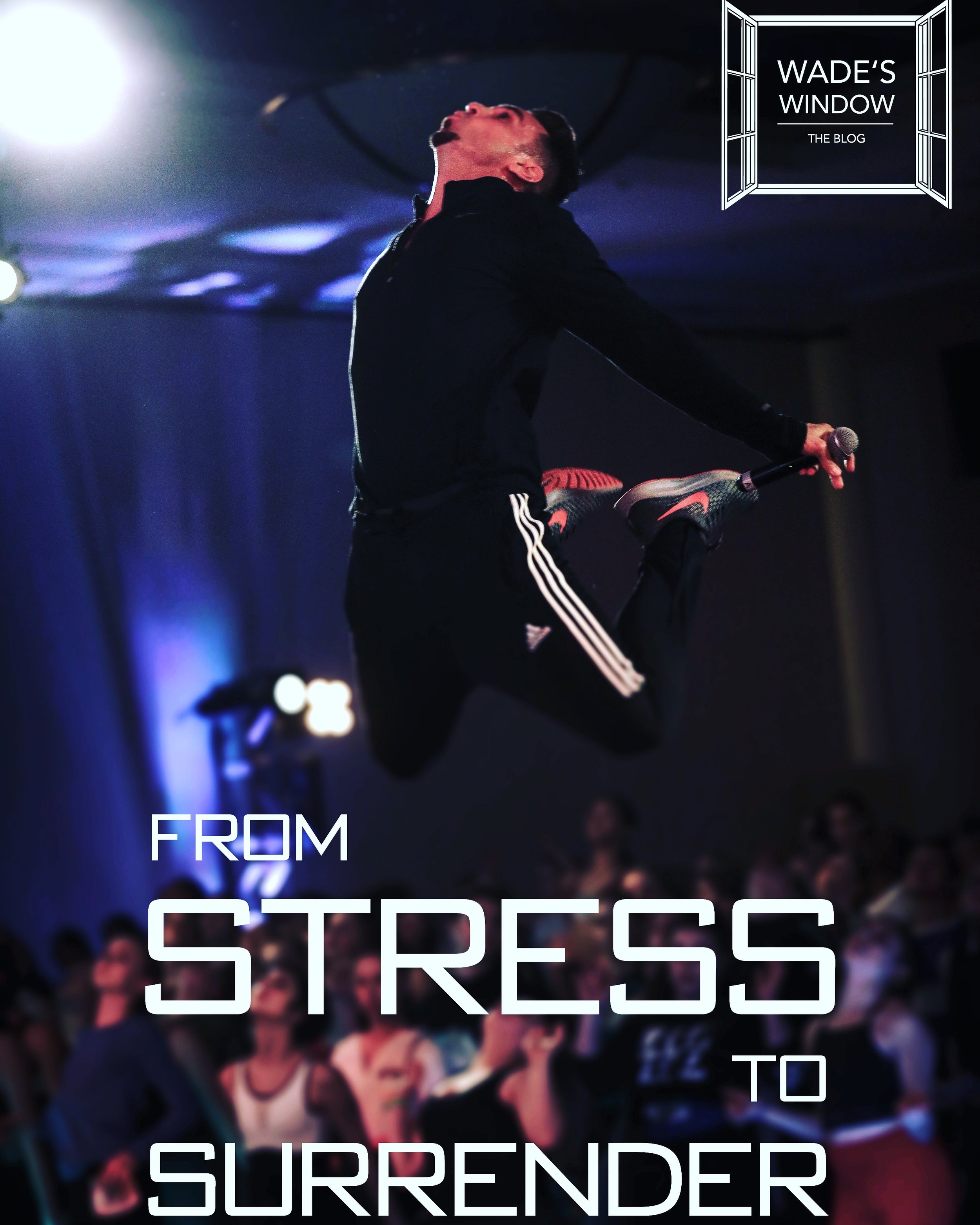
- FROM STRESS TO SURRENDER
How I began rebuilding my relationship with dance after it became a source of stress.
- STRESS
Achievement pressure, children’s self-worth and preserving the joy of play.
Includes severe emotional distress. - PERFECTION
The cost of needing to be the best, and learning to make room for imperfection.
Includes childhood sexual abuse and severe emotional distress. - WINNING
Separating the desire to win from the need to prove our worth.
Includes childhood sexual abuse. - SLOW
Noticing the connection, play and everyday moments that become available when I slow down.
- RETREAT
A very short invitation to step back from busyness, then re-engage.
- MUSIC, MOVEMENT + ME
My changing relationship with music and dance, through pressure, loss and rediscovered joy.
Includes childhood sexual abuse and severe emotional distress. - HAPPINESS IS OVER THERE.
What I found after achievement did not bring the fulfilment I expected.
Sadness & finding hope7 essays
Personal stories of feeling low, meeting emptiness and beginning to see a way forward.
- UP + DOWN
A personal reflection on sadness, joy and life’s changing emotional weather.
- EMPTY
Meeting a sense of emptiness and the question, “What’s the point?”
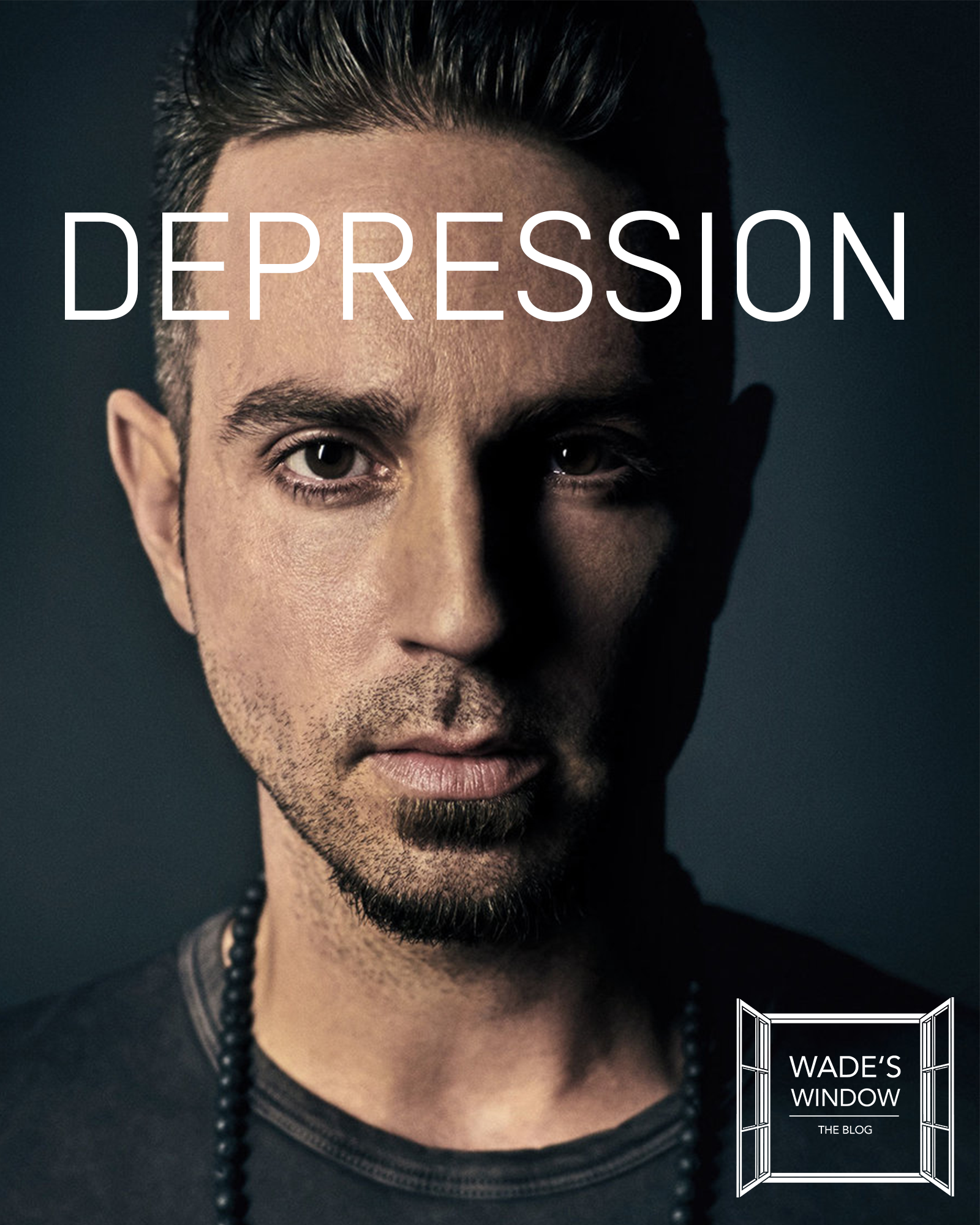
- DEPRESSION
My personal experience of depression, the search for support and my own treatment choices.
Includes childhood sexual abuse and medication choices. Personal experience, not a treatment guide. - RUNNING
My experience of staying busy to avoid difficult feelings, and eventually turning towards them.
Includes childhood abuse and severe emotional distress. - BREAK TO HEAL, Part II.
The second part of my healing story: disclosure, support and beginning a different life.
Includes childhood sexual abuse, severe distress and treatment experiences. - BREAK TO HEAL, Part III.
The third part of my healing story: a new life in Hawaiʻi and finding my way back to dance.
Includes childhood sexual abuse. - A FEATHER...
A spiritual reflection on sadness, anxiety and emotional turbulence.
Anger & reactivity4 essays
Reflections on suppressed feelings, emotional expression and the pain that can sit beneath anger.
- ANGER
My experience of suppressing anger and learning to express it with more awareness.
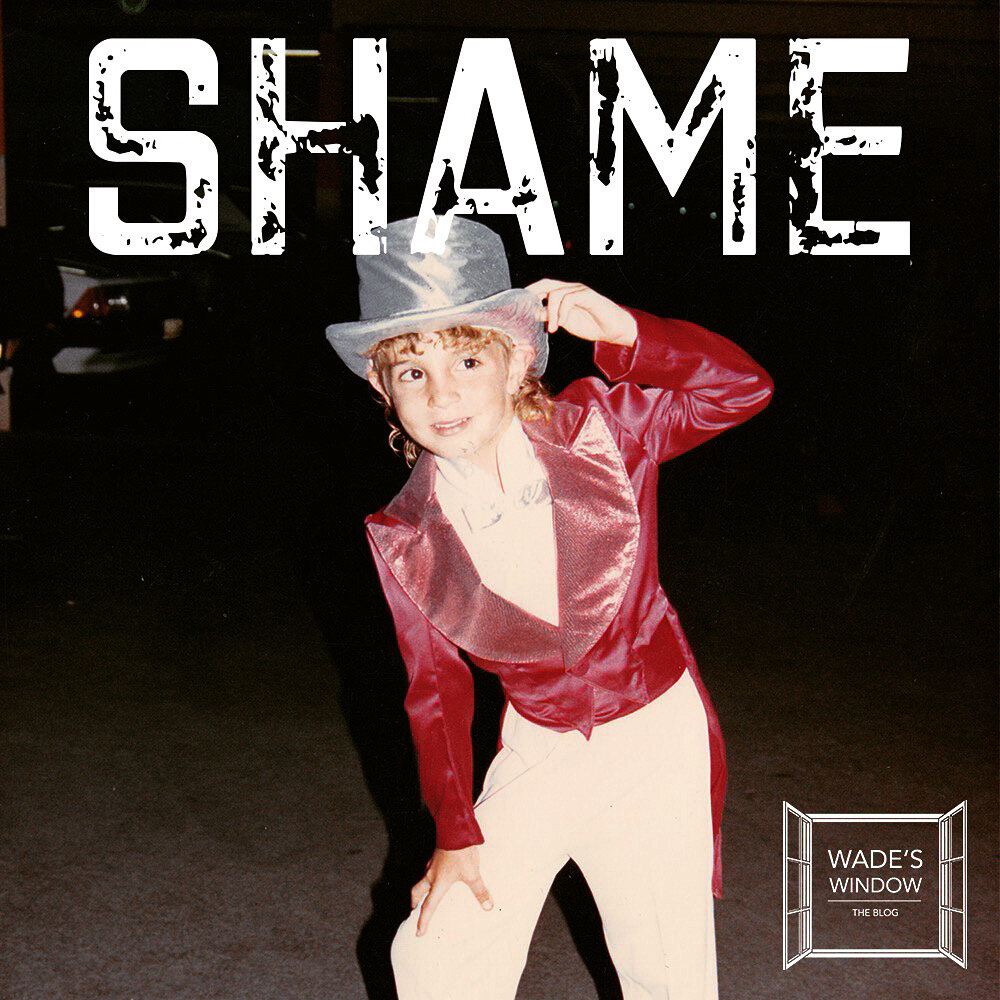
Includes childhood sexual abuse and expressions of anger. - SHAME
My experience of shame, feeling like an imposter and being hard on myself.
Includes childhood sexual abuse. - BE A MAN
Questioning ideas of manhood that leave little room for feelings or vulnerability.
Includes childhood sexual abuse and homophobia. - FORGIVENESS
Discovering how much harder it was to offer compassion and forgiveness to myself.
Includes childhood sexual abuse.
Comparison6 essays
When someone else’s success starts to feel like a measure of your own worth.
- ENOUGH
The anxiety of measuring myself against others, and learning to celebrate their success.
Includes severe emotional distress. - WINNING
Separating the desire to win from the need to prove our worth.
Includes childhood sexual abuse. - PERFECTION
The cost of needing to be the best, and learning to make room for imperfection.
Includes childhood sexual abuse and severe emotional distress. - FROM STRESS TO SURRENDER
How I began rebuilding my relationship with dance after it became a source of stress.
- STUFF
Questioning how possessions shape our worth, time and attention.
- HAPPINESS IS OVER THERE.
What I found after achievement did not bring the fulfilment I expected.
Feeling not good enough13 essays
Worth, approval, perfectionism and the effort to keep proving ourselves.
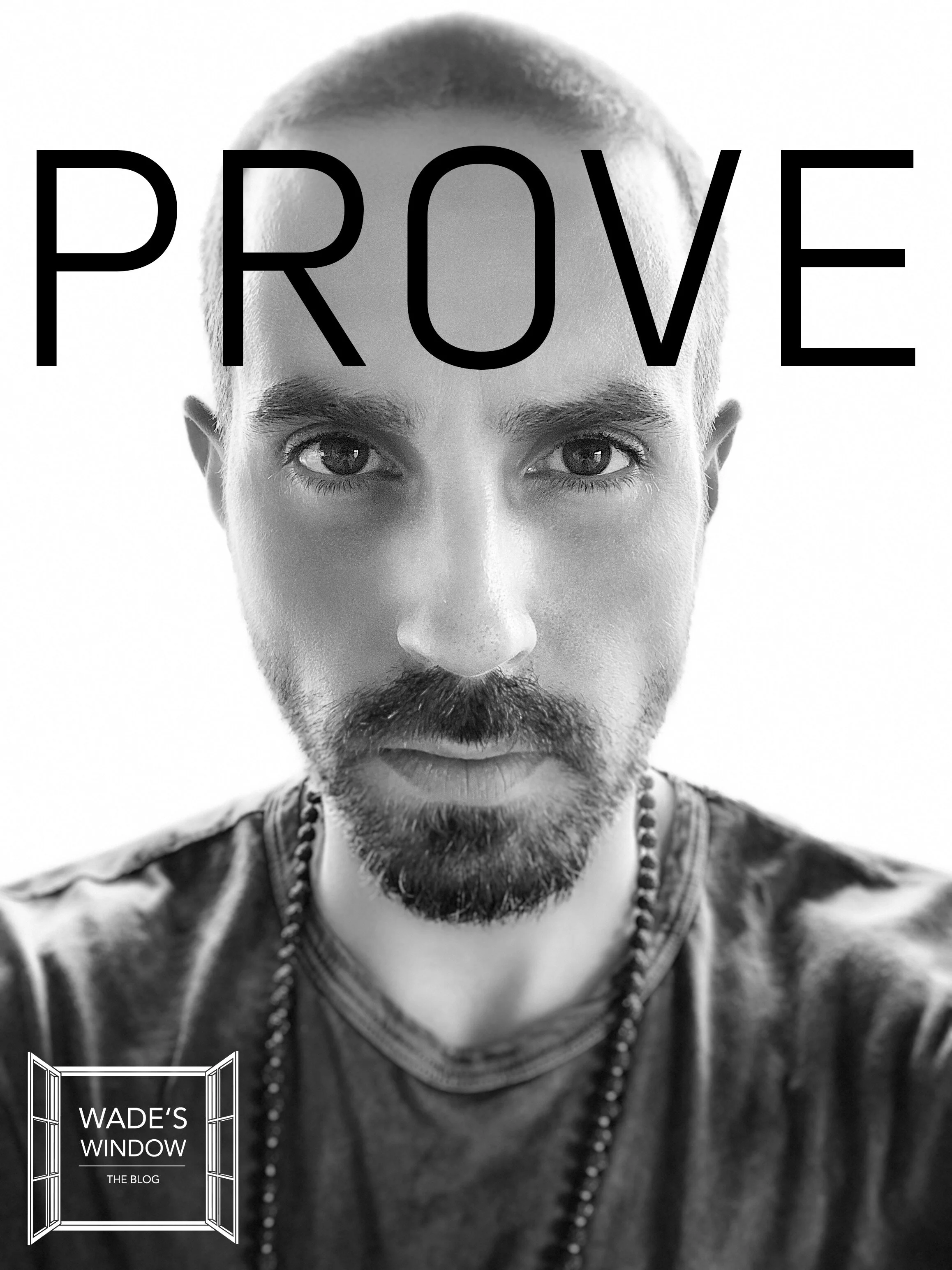
- PROVE
What changes when we act from worth instead of trying to prove it?
Includes childhood trauma. - VALIDATION
The exhausting search for approval and learning to act from a sense of worth.
- MY BEST
A brief reminder that our best changes from day to day.
- PERFECTION
The cost of needing to be the best, and learning to make room for imperfection.
Includes childhood sexual abuse and severe emotional distress. - SHAME
My experience of shame, feeling like an imposter and being hard on myself.
Includes childhood sexual abuse. - WINNING
Separating the desire to win from the need to prove our worth.
Includes childhood sexual abuse. - ENOUGH
The anxiety of measuring myself against others, and learning to celebrate their success.
Includes severe emotional distress. - INSIDE OUT
Beginning with how we want to feel, rather than what we think we must achieve.
- INSIDE JOB
Looking inward for the worth and fulfilment I kept seeking outside myself.
- WHAT IF?
Questions about worth, competition and a life with less to prove.
- 2019
A new-year reflection on making inner wellbeing and connection part of our goals.
- HAPPINESS IS OVER THERE.
What I found after achievement did not bring the fulfilment I expected.
- YOU
A spiritual reflection on a sense of self beyond painful experiences and changing circumstances.
Being more present10 essays
Slowing down, listening and noticing the life happening around us.
- SLOW
Noticing the connection, play and everyday moments that become available when I slow down.
- MORE OR LESS
A short poem on busyness, wanting more and missing the life already here.
- PATIENCE
Practising patience when attention keeps rushing towards a better future.
Includes childhood abuse and neglect. - LISTEN
The difference it makes to feel heard without someone rushing to fix us.
Includes childhood sexual abuse. - RETREAT
A very short invitation to step back from busyness, then re-engage.
- GRATITUDE
The small, everyday gratitude practices I have found meaningful.
- REVELATIONS FROM BEYOND
A vivid dream and a renewed wish to appreciate the people and moments in my life.
Includes a dream about a child’s death. - STUFF
Questioning how possessions shape our worth, time and attention.
- PROGRESS IS NOT LINEAR
A labyrinth walk and a kinder perspective on returning to familiar struggles.
- SURRENDER
My experience of trying to control outcomes and learning to hold them more lightly.
Life transitions10 essays
Changing roles, endings, new beginnings and a life that no longer fits the same way.
- IDENTITY
Who are we beyond the roles we play, especially when those roles change?
- Creation - Maintenance - Destruction
A spiritual reflection on endings, new beginnings and moving with change.
Includes discussion of serious illness and death. - BREAK TO HEAL, Part II.
The second part of my healing story: disclosure, support and beginning a different life.
Includes childhood sexual abuse, severe distress and treatment experiences. - BREAK TO HEAL, Part III.
The third part of my healing story: a new life in Hawaiʻi and finding my way back to dance.
Includes childhood sexual abuse. - MUSIC, MOVEMENT + ME
My changing relationship with music and dance, through pressure, loss and rediscovered joy.
Includes childhood sexual abuse and severe emotional distress. - HAPPINESS IS OVER THERE.
What I found after achievement did not bring the fulfilment I expected.
- LET THE HARD TIMES ROLL
My reflections on painful changes and the growth I found within them.
Includes childhood sexual abuse and severe emotional distress. - THE DUST OFF
My perspective on apparent setbacks and returning to old patterns during change.
Includes childhood abuse and severe emotional distress. - SURRENDER
My experience of trying to control outcomes and learning to hold them more lightly.
- PREFERENCE vs EXPECTATION
Holding a meaningful desire more lightly as plans and circumstances change.
Feeling lost7 essays
Questions about identity, meaning, what matters and where to go next.
- IDENTITY
Who are we beyond the roles we play, especially when those roles change?
- EMPTY
Meeting a sense of emptiness and the question, “What’s the point?”
- WHY?
Revisiting the reasons behind what we do when they no longer feel meaningful.
- INSIDE OUT
Beginning with how we want to feel, rather than what we think we must achieve.
- INTUITION
Listening inward when speculation and other people’s opinions become overwhelming.
- INDECISION
A seven-day experiment in listening inward and moving beyond indecision.
- HAPPINESS IS OVER THERE.
What I found after achievement did not bring the fulfilment I expected.
Feeling stuck7 essays
Repeating patterns, uncertainty and the possibility of beginning again.
- PROGRESS IS NOT LINEAR
A labyrinth walk and a kinder perspective on returning to familiar struggles.
- THE DUST OFF
My perspective on apparent setbacks and returning to old patterns during change.
Includes childhood abuse and severe emotional distress. - RUNNING
My experience of staying busy to avoid difficult feelings, and eventually turning towards them.
Includes childhood abuse and severe emotional distress. - INDECISION
A seven-day experiment in listening inward and moving beyond indecision.
- PREFERENCE vs EXPECTATION
Holding a meaningful desire more lightly as plans and circumstances change.
- WHY?
Revisiting the reasons behind what we do when they no longer feel meaningful.
- BREAK TO HEAL, Part III.
The third part of my healing story: a new life in Hawaiʻi and finding my way back to dance.
Includes childhood sexual abuse.
Shame & self-compassion7 essays
Feeling flawed, being hard on ourselves and exploring a kinder relationship within.
- SHAME
My experience of shame, feeling like an imposter and being hard on myself.
Includes childhood sexual abuse. - FORGIVENESS
Discovering how much harder it was to offer compassion and forgiveness to myself.
Includes childhood sexual abuse. - MY BEST
A brief reminder that our best changes from day to day.
- PERFECTION
The cost of needing to be the best, and learning to make room for imperfection.
Includes childhood sexual abuse and severe emotional distress. - BE A MAN
Questioning ideas of manhood that leave little room for feelings or vulnerability.
Includes childhood sexual abuse and homophobia. - BREAK TO HEAL, Part I.
The first part of my healing story: severe distress, asking for help and beginning to speak.
Includes childhood sexual abuse, severe distress and medication choices. - BREAK TO HEAL, Part II.
The second part of my healing story: disclosure, support and beginning a different life.
Includes childhood sexual abuse, severe distress and treatment experiences.
Grief & loss2 essays
Personal reflections on bereavement and the love that remains.
- FATHER FIGURE
Remembering my father, grieving his death and carrying his lessons into my own parenting.
Includes suicide loss and childhood sexual abuse. - LESSONS OF LOVE
The relationships that have shaped my understanding of love, loss and connection.
Includes childhood sexual abuse and bereavement.
Connection & vulnerability6 essays
Being heard, letting trusted people in and making room for honest relationships.
- VULNERABLE
Learning to let trusted people see what I was really feeling.
Includes childhood trauma and severe emotional distress. - LISTEN
The difference it makes to feel heard without someone rushing to fix us.
Includes childhood sexual abuse. - BE A MAN
Questioning ideas of manhood that leave little room for feelings or vulnerability.
Includes childhood sexual abuse and homophobia. - LESSONS OF LOVE
The relationships that have shaped my understanding of love, loss and connection.
Includes childhood sexual abuse and bereavement. - LOVED & LOATHED
Finding the courage to speak honestly when approval is uncertain.
- LIGHT + SOUND
A message of solidarity for survivors of childhood abuse and the people who love them.
Includes childhood abuse and references to suicidal thoughts.
-
2023
1
- Jun 23, 2023 WINNING
-
2022
3
- Feb 9, 2022 Creation - Maintenance - Destruction
- Jan 29, 2022 POVERTY CONSCIOUSNESS
- Jan 10, 2022 ANGER
-
2021
6
- Dec 12, 2021 EMPTY
- Jul 25, 2021 PATIENCE
- May 18, 2021 INTUITION
- Mar 22, 2021 MORE OR LESS
- Feb 1, 2021 PERSPECTIVE
- Jan 14, 2021 REMEDY
-
2020
8
- Nov 13, 2020 INDECISION
- Nov 6, 2020 PREFERENCE vs EXPECTATION
- Sep 12, 2020 YOU
- Aug 11, 2020 INSIDE JOB
- Jul 13, 2020 SHAME
- Feb 28, 2020 INPUT
- Feb 11, 2020 PROVE
- Jan 15, 2020 A FEATHER...
-
2019
12
- Dec 6, 2019 DEPRESSION
- Sep 10, 2019 IDENTITY
- Sep 3, 2019 SPEECH
- Aug 19, 2019 OWNERSHIP II
- Aug 17, 2019 OWNERSHIP I
- Aug 1, 2019 FROM STRESS TO SURRENDER
- Jun 14, 2019 PROGRESS IS NOT LINEAR
- May 8, 2019 RUNNING
- Apr 2, 2019 LIGHT + SOUND
- Mar 16, 2019 WHAT IF?
- Mar 2, 2019 LEAVING NEVERLAND
- Feb 19, 2019 PLATFORM
-
2018
31
- Dec 28, 2018 2019
- Nov 25, 2018 INSIDE OUT
- Nov 5, 2018 WHY?
- Oct 13, 2018 VULNERABLE
- Sep 29, 2018 GRATITUDE
- Sep 14, 2018 SLOW
- Aug 31, 2018 SUFFERING
- Aug 16, 2018 THE DUST OFF
- Jul 15, 2018 SURRENDER
- Jul 6, 2018 BE A MAN
- Jun 30, 2018 WHY ME?
- Jun 22, 2018 STUFF
- Jun 8, 2018 VALIDATION
- May 24, 2018 LOVED & LOATHED
- May 18, 2018 UP + DOWN
- Apr 28, 2018 MY BEST
- Apr 20, 2018 MUSIC, MOVEMENT + ME
- Apr 13, 2018 ENOUGH
- Apr 6, 2018 FORGIVENESS
- Mar 30, 2018 REVELATIONS FROM BEYOND
- Mar 23, 2018 LET THE HARD TIMES ROLL
- Mar 16, 2018 TALKS THAT HAVE CARRIED ME, Part II
- Mar 10, 2018 TALKS THAT HAVE CARRIED ME, Part I
- Mar 2, 2018 LESSONS OF LOVE
- Feb 16, 2018 PERFECTION
- Feb 8, 2018 BOOKS THAT HAVE CARRIED ME, PART I
- Feb 1, 2018 TO THOSE WHO HATE ME
- Jan 26, 2018 STRESS
- Jan 19, 2018 F.E.A.R.
- Jan 11, 2018 LISTEN
- Jan 5, 2018 FATHER FIGURE
-
2017
7
- Dec 29, 2017 RETREAT
- Dec 22, 2017 HAPPINESS IS OVER THERE.
- Dec 15, 2017 QUOTES THAT HAVE CARRIED ME, Part II
- Dec 8, 2017 BREAK TO HEAL, Part III.
- Dec 1, 2017 QUOTES THAT HAVE CARRIED ME, Part I.
- Nov 24, 2017 BREAK TO HEAL, Part II.
- Nov 17, 2017 BREAK TO HEAL, Part I.









EMPTY
What might become possible when we stop filling every silence and allow ourselves to meet the openness of being empty?
Several weeks ago, I was sick. Physically, it was intense, but what’s actually been even more challenging has been the mental and emotional experience during and after the physical symptoms. The best way that I can describe it is a feeling of emptiness. I’ve felt insatiable, like a hungry ghost. A feeling of “What’s really the point of anything?”
My initial reaction was to try and run away from these feelings, distract myself until they hopefully went away. As per usual, that didn’t work. Then I started to try and lean into the emptiness, be with it, not try to change it or fix it, but merely allow it and observe it. Looking down the dark well of emptiness, shouting my curiosities into it, the following is some of what has been reflected back to me, so far…
The usefulness of the vessel depends upon its emptiness.
The melody is pretty because of the notes that are not played.
The beautiful painting springs forth from the blank canvas.
It’s an adventure precisely because we don’t know what’s going to happen.
In order to be found, I must be lost.
In order to wake up, I must be asleep.
In order to know, I must not know.
In order to desire, there must be a void.
From silence, comes sound.
From stillness, comes movement.
From space, comes form.
From darkness, comes light.
From the end, comes the beginning.
From nothing, I can be anything.
From nowhere, I can go anywhere.
When I think I know, I stop the flow of knowing.
When I’m empty, I can be filled.
From meaninglessness, comes meaning.
From purposelessness, comes purpose.
From emptiness, comes fulfillment.
From nothing, comes everything.
Love, Wade.


PATIENCE
Patience becomes a daily practice of trust, surrender, and finding our way back to the life unfolding right now.
Patience is hard.
We want healing, results, success, change, peace, happiness, retribution and we want them NOW!
We have a desire, need, expectation, and if things don’t seem to be going our way, we think something has gone wrong: a glitch in the Matrix has occurred, so to speak.
Impatience means we have deemed NOW not good enough, so we’re focused on the so-called “better” future to come. The problem is, if we’re always focused on the future, we’ll never experience the now. Therefore, even if the so-called “better” future were to arrive, we’ll miss it, because the only time the future can actually occur is NOW.
Impatience means we don’t believe that in the macro, everything is in order and working itself out at its own pace. We think the Universe needs our individual flesh and bone assistance in order to keep things on track.
What’s the source of our impatience? A lack of trust in life.
When did we stop trusting life? Maybe when we were abused or neglected as children. Maybe once the symptoms of that abuse or neglect became evident. Maybe when our parents, teachers, peers, or society at large taught us to be afraid of life. This is, of course, quite an understandable reaction. Yet, how is not trusting life working for us?
Of course, it’s easier to be patient when things are “going our way.” Yet we’re not actually being patient until it’s become increasingly difficult to remain patient. We’re not trusting in life until things are seemingly “not going our way.”
Patience is an active daily PRACTICE: rooted in trust and surrender.
How do we trust again?
Meditate, daily.
Then, look back on your life and notice how, when the time was right, although sometimes quite painful, everything has ultimately always worked itself out the way it needed to be. The proof of that lies in the fact that you are here, right now, reading this.
How do we surrender?
Rather than deny, own.
Rather than move against, move with.
Rather than fight, dance.
Love, Wade.


INTUITION
A reflection on returning to the wisdom of the body and finding the courage to follow what feels right.
in·tu·i·tion
/ˌint(y)o͞oˈiSH(ə)n/
noun
the ability to understand something immediately, without the need for conscious reasoning.
When we were infants, toddlers, children, maybe even teenagers, we LIVED in our BODIES. We said or did something because it FELT right. If we didn’t say or do something, it was because it didn’t FEEL right. Then, slowly but surely, most of us were educated out of our bodies and into our MINDS. We were taught that our mind is the ultimate captain of the ship, the navigator; that intellect and logic are king. We were taught, implicitly or explicitly, that intuition, that feeling in the heart and gut, is akin to superstition, and namely, is NOT to be trusted. We were taught that what we can trust are the opinions of elders and experts, data, evidence, facts, reason, a good old pros and cons list and what has happened to us in the past.
Now there can of course be merit found, at times, in some of the aforementioned resources. But what a lot of it tends to lead to, for one’s own experience, is a torturous amount of time and energy wasted in speculation. Speculation leads to confusion. Confusion leads to stagnation. Stagnation calls forth destruction. Why? The Universe operates on pure motion and change: a.k.a. evolution. So when stagnation occurs, corrective action is automatically taken. This is not a punishment of any kind; it is simply cause and effect.
You have most likely had the following experiences:
A - A particular choice makes all the logical sense in the world, but it just doesn’t FEEL right. You discredit the feeling and take action on the logical choice. It doesn’t turn out well.
B - A particular choice doesn’t make logical sense, but something about it just FEELS right. You decide to take action based on the feeling. It turns out surprisingly well.
C - A particular choice doesn’t make logical sense, but something about it just FEELS right. You confer with your intellect and speculate about it for days, weeks, months, or even years. Finally, you decide to take action on the original feeling. It doesn’t turn out well. You deduce that you cannot trust your intuition.
Why did version C turn out this way?
Our intuition, our desires, have a window of relevance. The feeling contains a directive, which is “NOW.” In the case of version C, you stagnated in speculation, and by the time you decided to take action, the Universe had changed and the window of relevance for that particular action, for you, had closed.
So what do we do?
Meditate, daily. Meditation is a daily practice that affords us the opportunity to move beyond the intellect, unwind stresses from the physiology and therefore strengthen our connection to our intuition, which is our direct line to source.
Tune in with what does and does not FEEL right.
Surrender speculation. Do not wait. Take any action you can, now.
Leap into the unknown.
The direct result is complete support from the Universe.
And if you do not like where you land, leap again.

MORE OR LESS
A quiet poem about the ways our pursuit of more can leave us with less of the life we long to feel.
The more I want, the less I have.
The more I long for, the less I’m here for.
The more I own, the more I’m owned.
The more I think, the less I know.
The more I correct, the less I enjoy.
The more I fight, the less I win.
The more I do, the less I am.
The faster I go, the less I have time.
The longer the list, the shorter the bliss.
The more I’m busy, the less I produce.
The more I do, the more I miss.
The more I run, the more I stand still.
Wade Robson


PERSPECTIVE
Small shifts in perspective invite us to meet familiar struggles with greater curiosity, gratitude, and possibility.
One of the great determiners of our experience of reality is our perspective.
Change our perspective, change our experience of reality.
I only have enough money for the month!
Vs
I am grateful to have enough money for the month!
I’m going through so much.
Vs
I’m growing through so much.
The Universe is against me.
Vs
The Universe is pushing me to grow.
Nobody understands me.
Vs
I haven’t yet found the most effective ways to express myself.
It’s not fair that I got hurt and can’t do what I love.
Vs
The Universe has created an opportunity for me to rest and reflect.
I can’t be happy because of them.
Vs
Nobody is responsible for my happiness but I.
I don’t have enough time.
Vs
I could learn to spend my time more intentionally.
My heart is broken.
Vs
My heart is wounded and its healing will make me stronger.
With my luck, it won’t work out.
Vs
Whatever happens will be evolutionary.
Why me? (Said with angst and a sense of injustice)
Vs
Why me? (Said with curiosity and reverence)
Life happens TO me.
Vs
Life happens FOR me.


REMEDY
Through his own healing journey, Wade explores what changes when we gently listen to emotional pain instead of running from it.
Emotional pain arrives and we often immediately start looking elsewhere for the remedy: Netflix, food, social media, other people, cleaning, alcohol, drugs, romance, work, money, stuff, you name it. We’re looking for a soothing salve that will quickly make the pain go away. Even though, if we are being honest, we have already gathered mountains of evidence for ourselves over the years that none of these external pain relievers work for very long. Still, this behavior remains quite enticing and addictive due to the fact that it seems to work so quickly and easily. Even if the pain relief is only for a short amount of time, it nevertheless feels like the better option than having to merely endure the pain.
So what’s the remedy for the unfortunately short duration of external pain relief? Our frequent answer is more and stronger doses of our quick fix of choice. So, we try this approach, and it maybe works for a while, yet at some point, its effectiveness starts to wane. At this point, we either find a new quick fix method altogether or we double down, up our dosage so high that we may even begin to cease feeling anything at all. However, our pain may be so terrifying, so great, that the lack of feeling anything at all still feels like the better option. Yet eventually, we may find ourselves so numb, isolated, unsure of the point anymore and wishing we could just feel something, anything. Sometimes we’ll even enact extreme or violent measures against others or against ourselves, in a desperate attempt to satiate that deep desire to feel something.
If we put our hand in the fire, we will undoubtedly feel the intense pain of being burned. Immediately, we will viscerally understand that unless we want to get burned, we should not put our hand in the fire. Conversely, if we had put our hand in the fire and felt no pain, we may have inadvertently allowed our hand to be utterly destroyed. This analogy points to a greater truth, that our health and well-being are not hindered by pain but are rather dependent upon our feeling of pain. Often, in order to know the thing we want to avoid feeling, we must first feel that very thing. Furthermore, it’s the acknowledging, accepting, embracing and feeling of the experience that we don’t want that can be the necessary component of moving towards the experience that we do want.
I ran from and tried to bury my pain for a long time: so long that I eventually started to feel completely emotionally numb. Then, once my nervous system reached emotional pain storage capacity, I broke open. The last 9 or so years have been a masterclass in learning to lean into the pain. The more we run, the bigger, faster and scarier the pain becomes. Yet the revelation is that although terrifying at times, when we can learn to slowly sit with, look at, listen to, describe and feel the pain, albeit painful, it’s often nowhere near as scary, excruciating and deadly as we imagined. The therapeutic technique SOMATIC EXPERIENCING can be quite helpful in this journey.
I find it akin to a child who is throwing a tantrum; once we can stop, tune in, acknowledge, and resonate with the child, she may start to feel more safe, less needy and eventually calm down. Our pain is like that child that needs to be seen and heard. Eventually, the time comes when we must heed that call.
The good news is: pain, anxiety, and fear—the so-called “problem”—are not actually the “problem” at all, but rather an essential ingredient of the solution. Ironically enough, nothing heals like pain.
Love, Wade.

THE GRAM

What if winning could become a path to growth, rather than a way to prove that we are worthy of love?