
A blog about my life experiences and what they have taught me
Explore by what you’re experiencing
You might arrive here feeling stressed, afraid, sad, angry or lost—or simply wanting to be more present. These reflections come from my own life. Choose what feels close to your experience, and begin there.
These are personal reflections, not treatment guides. Some essays discuss childhood abuse, grief or severe distress; notes beside those links can help you choose what to read.
Choose a topic to open its article list.
Fear & anxiety8 essays
Reflections on fear, avoiding difficult feelings and learning to reach for support.
- F.E.A.R.
My personal story of fear, anxiety and the support that helped me begin to live differently.
Includes childhood sexual abuse and legal proceedings. - RUNNING
My experience of staying busy to avoid difficult feelings, and eventually turning towards them.
Includes childhood abuse and severe emotional distress. - REMEDY
My experience of running from emotional pain and beginning to listen to it.
- VULNERABLE
Learning to let trusted people see what I was really feeling.
Includes childhood trauma and severe emotional distress. - SURRENDER
My experience of trying to control outcomes and learning to hold them more lightly.
- QUOTES THAT HAVE CARRIED ME, Part II
Words I have returned to when overwhelmed, fearful or facing the unknown.
Includes childhood sexual abuse and severe emotional distress. - QUOTES THAT HAVE CARRIED ME, Part I.
Words that accompanied me through uncertainty, change and the early years of healing.
Includes childhood sexual abuse. - BREAK TO HEAL, Part I.
The first part of my healing story: severe distress, asking for help and beginning to speak.
Includes childhood sexual abuse, severe distress and medication choices.
Stress & pressure8 essays
When achievement, perfectionism or busyness begin to crowd out joy.
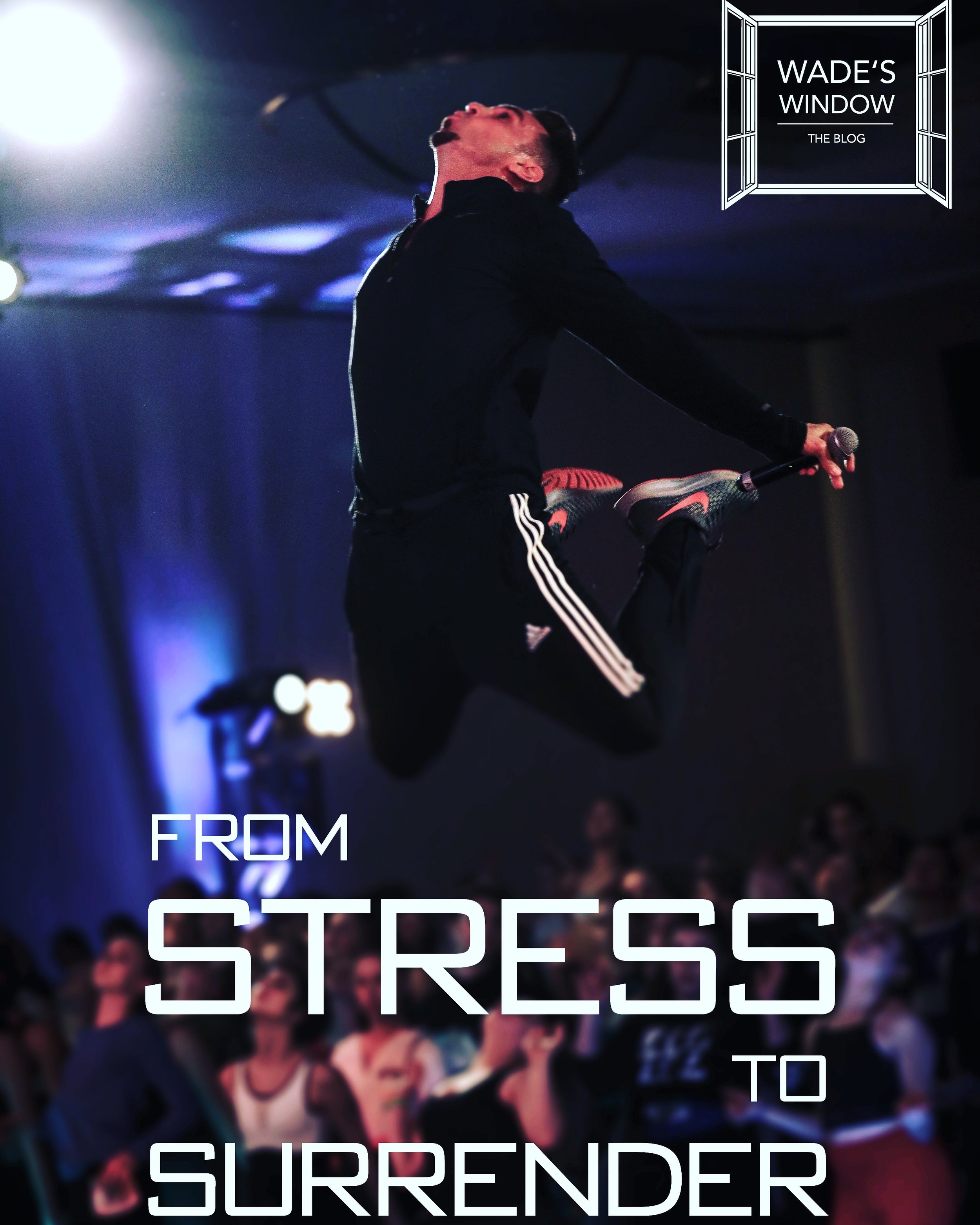
- FROM STRESS TO SURRENDER
How I began rebuilding my relationship with dance after it became a source of stress.
- STRESS
Achievement pressure, children’s self-worth and preserving the joy of play.
Includes severe emotional distress. - PERFECTION
The cost of needing to be the best, and learning to make room for imperfection.
Includes childhood sexual abuse and severe emotional distress. - WINNING
Separating the desire to win from the need to prove our worth.
Includes childhood sexual abuse. - SLOW
Noticing the connection, play and everyday moments that become available when I slow down.
- RETREAT
A very short invitation to step back from busyness, then re-engage.
- MUSIC, MOVEMENT + ME
My changing relationship with music and dance, through pressure, loss and rediscovered joy.
Includes childhood sexual abuse and severe emotional distress. - HAPPINESS IS OVER THERE.
What I found after achievement did not bring the fulfilment I expected.
Sadness & finding hope7 essays
Personal stories of feeling low, meeting emptiness and beginning to see a way forward.
- UP + DOWN
A personal reflection on sadness, joy and life’s changing emotional weather.
- EMPTY
Meeting a sense of emptiness and the question, “What’s the point?”
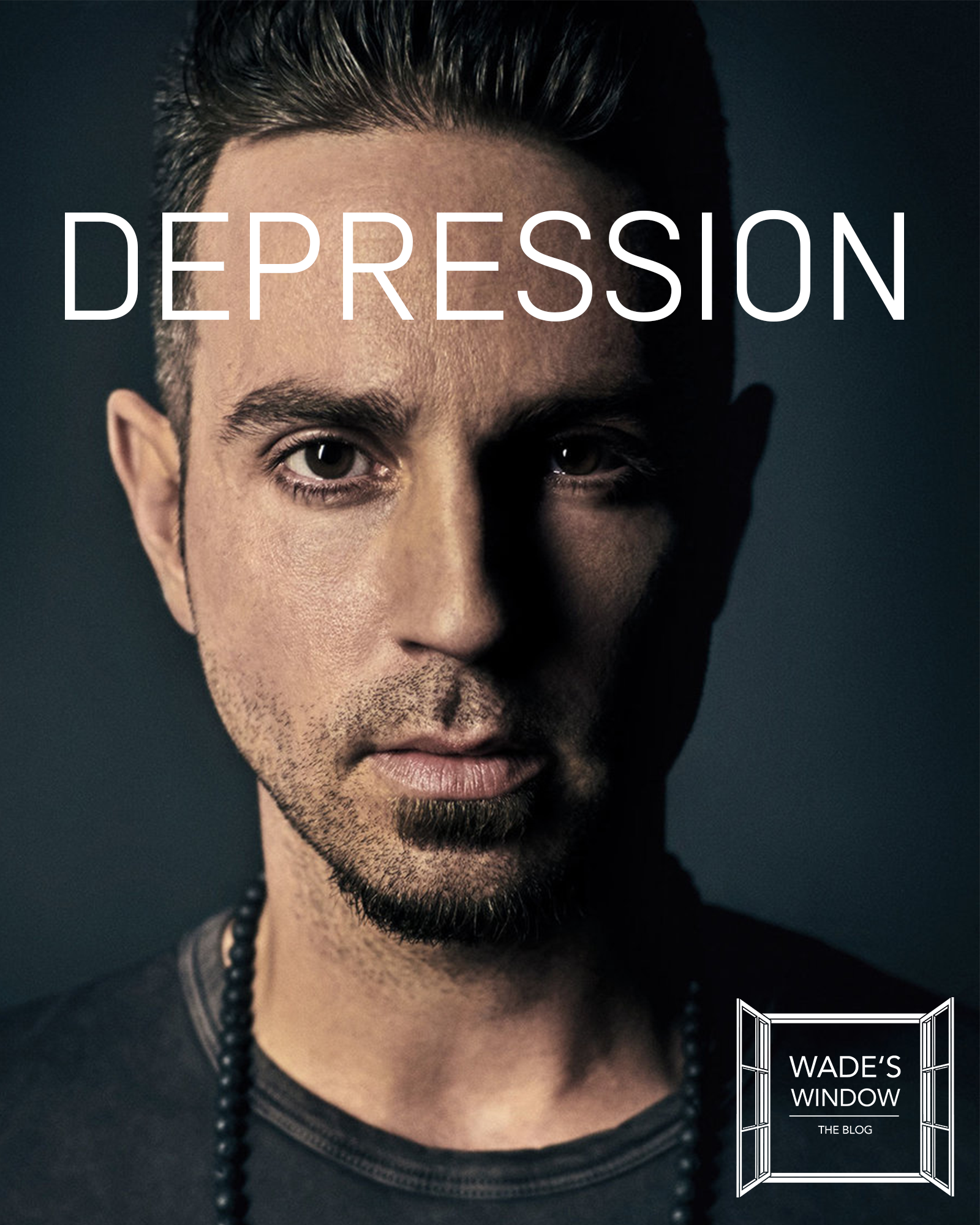
- DEPRESSION
My personal experience of depression, the search for support and my own treatment choices.
Includes childhood sexual abuse and medication choices. Personal experience, not a treatment guide. - RUNNING
My experience of staying busy to avoid difficult feelings, and eventually turning towards them.
Includes childhood abuse and severe emotional distress. - BREAK TO HEAL, Part II.
The second part of my healing story: disclosure, support and beginning a different life.
Includes childhood sexual abuse, severe distress and treatment experiences. - BREAK TO HEAL, Part III.
The third part of my healing story: a new life in Hawaiʻi and finding my way back to dance.
Includes childhood sexual abuse. - A FEATHER...
A spiritual reflection on sadness, anxiety and emotional turbulence.
Anger & reactivity4 essays
Reflections on suppressed feelings, emotional expression and the pain that can sit beneath anger.
- ANGER
My experience of suppressing anger and learning to express it with more awareness.
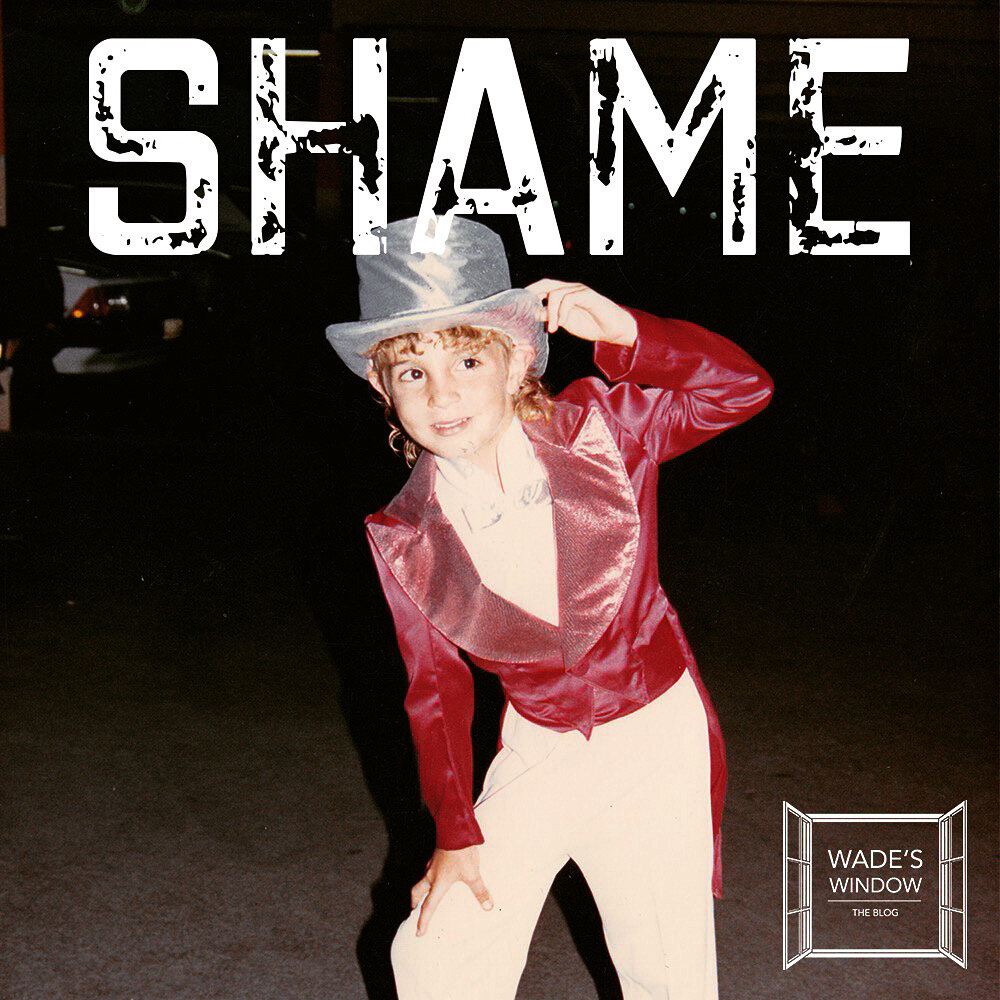
Includes childhood sexual abuse and expressions of anger. - SHAME
My experience of shame, feeling like an imposter and being hard on myself.
Includes childhood sexual abuse. - BE A MAN
Questioning ideas of manhood that leave little room for feelings or vulnerability.
Includes childhood sexual abuse and homophobia. - FORGIVENESS
Discovering how much harder it was to offer compassion and forgiveness to myself.
Includes childhood sexual abuse.
Comparison6 essays
When someone else’s success starts to feel like a measure of your own worth.
- ENOUGH
The anxiety of measuring myself against others, and learning to celebrate their success.
Includes severe emotional distress. - WINNING
Separating the desire to win from the need to prove our worth.
Includes childhood sexual abuse. - PERFECTION
The cost of needing to be the best, and learning to make room for imperfection.
Includes childhood sexual abuse and severe emotional distress. - FROM STRESS TO SURRENDER
How I began rebuilding my relationship with dance after it became a source of stress.
- STUFF
Questioning how possessions shape our worth, time and attention.
- HAPPINESS IS OVER THERE.
What I found after achievement did not bring the fulfilment I expected.
Feeling not good enough13 essays
Worth, approval, perfectionism and the effort to keep proving ourselves.
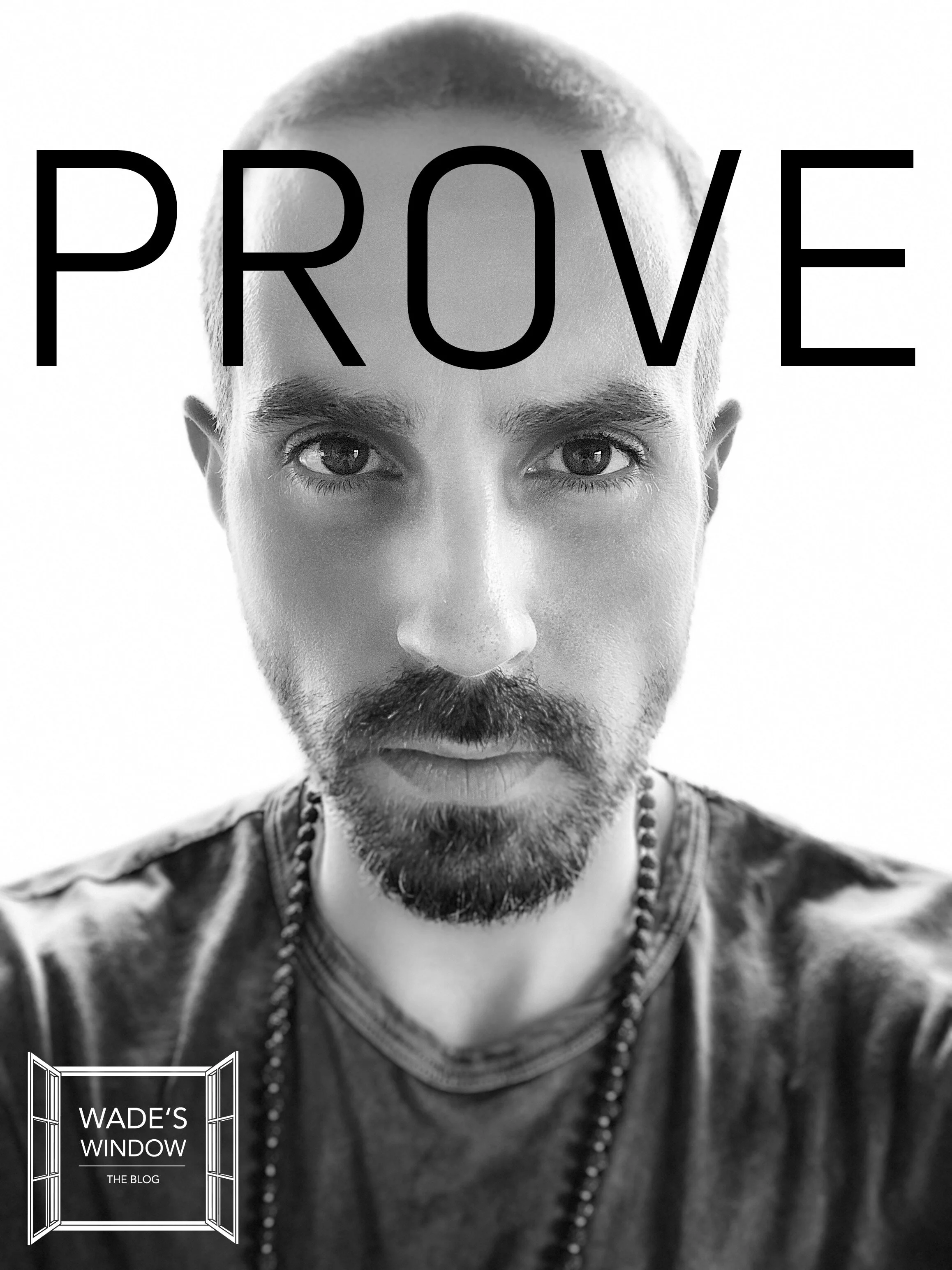
- PROVE
What changes when we act from worth instead of trying to prove it?
Includes childhood trauma. - VALIDATION
The exhausting search for approval and learning to act from a sense of worth.
- MY BEST
A brief reminder that our best changes from day to day.
- PERFECTION
The cost of needing to be the best, and learning to make room for imperfection.
Includes childhood sexual abuse and severe emotional distress. - SHAME
My experience of shame, feeling like an imposter and being hard on myself.
Includes childhood sexual abuse. - WINNING
Separating the desire to win from the need to prove our worth.
Includes childhood sexual abuse. - ENOUGH
The anxiety of measuring myself against others, and learning to celebrate their success.
Includes severe emotional distress. - INSIDE OUT
Beginning with how we want to feel, rather than what we think we must achieve.
- INSIDE JOB
Looking inward for the worth and fulfilment I kept seeking outside myself.
- WHAT IF?
Questions about worth, competition and a life with less to prove.
- 2019
A new-year reflection on making inner wellbeing and connection part of our goals.
- HAPPINESS IS OVER THERE.
What I found after achievement did not bring the fulfilment I expected.
- YOU
A spiritual reflection on a sense of self beyond painful experiences and changing circumstances.
Being more present10 essays
Slowing down, listening and noticing the life happening around us.
- SLOW
Noticing the connection, play and everyday moments that become available when I slow down.
- MORE OR LESS
A short poem on busyness, wanting more and missing the life already here.
- PATIENCE
Practising patience when attention keeps rushing towards a better future.
Includes childhood abuse and neglect. - LISTEN
The difference it makes to feel heard without someone rushing to fix us.
Includes childhood sexual abuse. - RETREAT
A very short invitation to step back from busyness, then re-engage.
- GRATITUDE
The small, everyday gratitude practices I have found meaningful.
- REVELATIONS FROM BEYOND
A vivid dream and a renewed wish to appreciate the people and moments in my life.
Includes a dream about a child’s death. - STUFF
Questioning how possessions shape our worth, time and attention.
- PROGRESS IS NOT LINEAR
A labyrinth walk and a kinder perspective on returning to familiar struggles.
- SURRENDER
My experience of trying to control outcomes and learning to hold them more lightly.
Life transitions10 essays
Changing roles, endings, new beginnings and a life that no longer fits the same way.
- IDENTITY
Who are we beyond the roles we play, especially when those roles change?
- Creation - Maintenance - Destruction
A spiritual reflection on endings, new beginnings and moving with change.
Includes discussion of serious illness and death. - BREAK TO HEAL, Part II.
The second part of my healing story: disclosure, support and beginning a different life.
Includes childhood sexual abuse, severe distress and treatment experiences. - BREAK TO HEAL, Part III.
The third part of my healing story: a new life in Hawaiʻi and finding my way back to dance.
Includes childhood sexual abuse. - MUSIC, MOVEMENT + ME
My changing relationship with music and dance, through pressure, loss and rediscovered joy.
Includes childhood sexual abuse and severe emotional distress. - HAPPINESS IS OVER THERE.
What I found after achievement did not bring the fulfilment I expected.
- LET THE HARD TIMES ROLL
My reflections on painful changes and the growth I found within them.
Includes childhood sexual abuse and severe emotional distress. - THE DUST OFF
My perspective on apparent setbacks and returning to old patterns during change.
Includes childhood abuse and severe emotional distress. - SURRENDER
My experience of trying to control outcomes and learning to hold them more lightly.
- PREFERENCE vs EXPECTATION
Holding a meaningful desire more lightly as plans and circumstances change.
Feeling lost7 essays
Questions about identity, meaning, what matters and where to go next.
- IDENTITY
Who are we beyond the roles we play, especially when those roles change?
- EMPTY
Meeting a sense of emptiness and the question, “What’s the point?”
- WHY?
Revisiting the reasons behind what we do when they no longer feel meaningful.
- INSIDE OUT
Beginning with how we want to feel, rather than what we think we must achieve.
- INTUITION
Listening inward when speculation and other people’s opinions become overwhelming.
- INDECISION
A seven-day experiment in listening inward and moving beyond indecision.
- HAPPINESS IS OVER THERE.
What I found after achievement did not bring the fulfilment I expected.
Feeling stuck7 essays
Repeating patterns, uncertainty and the possibility of beginning again.
- PROGRESS IS NOT LINEAR
A labyrinth walk and a kinder perspective on returning to familiar struggles.
- THE DUST OFF
My perspective on apparent setbacks and returning to old patterns during change.
Includes childhood abuse and severe emotional distress. - RUNNING
My experience of staying busy to avoid difficult feelings, and eventually turning towards them.
Includes childhood abuse and severe emotional distress. - INDECISION
A seven-day experiment in listening inward and moving beyond indecision.
- PREFERENCE vs EXPECTATION
Holding a meaningful desire more lightly as plans and circumstances change.
- WHY?
Revisiting the reasons behind what we do when they no longer feel meaningful.
- BREAK TO HEAL, Part III.
The third part of my healing story: a new life in Hawaiʻi and finding my way back to dance.
Includes childhood sexual abuse.
Shame & self-compassion7 essays
Feeling flawed, being hard on ourselves and exploring a kinder relationship within.
- SHAME
My experience of shame, feeling like an imposter and being hard on myself.
Includes childhood sexual abuse. - FORGIVENESS
Discovering how much harder it was to offer compassion and forgiveness to myself.
Includes childhood sexual abuse. - MY BEST
A brief reminder that our best changes from day to day.
- PERFECTION
The cost of needing to be the best, and learning to make room for imperfection.
Includes childhood sexual abuse and severe emotional distress. - BE A MAN
Questioning ideas of manhood that leave little room for feelings or vulnerability.
Includes childhood sexual abuse and homophobia. - BREAK TO HEAL, Part I.
The first part of my healing story: severe distress, asking for help and beginning to speak.
Includes childhood sexual abuse, severe distress and medication choices. - BREAK TO HEAL, Part II.
The second part of my healing story: disclosure, support and beginning a different life.
Includes childhood sexual abuse, severe distress and treatment experiences.
Grief & loss2 essays
Personal reflections on bereavement and the love that remains.
- FATHER FIGURE
Remembering my father, grieving his death and carrying his lessons into my own parenting.
Includes suicide loss and childhood sexual abuse. - LESSONS OF LOVE
The relationships that have shaped my understanding of love, loss and connection.
Includes childhood sexual abuse and bereavement.
Connection & vulnerability6 essays
Being heard, letting trusted people in and making room for honest relationships.
- VULNERABLE
Learning to let trusted people see what I was really feeling.
Includes childhood trauma and severe emotional distress. - LISTEN
The difference it makes to feel heard without someone rushing to fix us.
Includes childhood sexual abuse. - BE A MAN
Questioning ideas of manhood that leave little room for feelings or vulnerability.
Includes childhood sexual abuse and homophobia. - LESSONS OF LOVE
The relationships that have shaped my understanding of love, loss and connection.
Includes childhood sexual abuse and bereavement. - LOVED & LOATHED
Finding the courage to speak honestly when approval is uncertain.
- LIGHT + SOUND
A message of solidarity for survivors of childhood abuse and the people who love them.
Includes childhood abuse and references to suicidal thoughts.
-
2023
1
- Jun 23, 2023 WINNING
-
2022
3
- Feb 9, 2022 Creation - Maintenance - Destruction
- Jan 29, 2022 POVERTY CONSCIOUSNESS
- Jan 10, 2022 ANGER
-
2021
6
- Dec 12, 2021 EMPTY
- Jul 25, 2021 PATIENCE
- May 18, 2021 INTUITION
- Mar 22, 2021 MORE OR LESS
- Feb 1, 2021 PERSPECTIVE
- Jan 14, 2021 REMEDY
-
2020
8
- Nov 13, 2020 INDECISION
- Nov 6, 2020 PREFERENCE vs EXPECTATION
- Sep 12, 2020 YOU
- Aug 11, 2020 INSIDE JOB
- Jul 13, 2020 SHAME
- Feb 28, 2020 INPUT
- Feb 11, 2020 PROVE
- Jan 15, 2020 A FEATHER...
-
2019
12
- Dec 6, 2019 DEPRESSION
- Sep 10, 2019 IDENTITY
- Sep 3, 2019 SPEECH
- Aug 19, 2019 OWNERSHIP II
- Aug 17, 2019 OWNERSHIP I
- Aug 1, 2019 FROM STRESS TO SURRENDER
- Jun 14, 2019 PROGRESS IS NOT LINEAR
- May 8, 2019 RUNNING
- Apr 2, 2019 LIGHT + SOUND
- Mar 16, 2019 WHAT IF?
- Mar 2, 2019 LEAVING NEVERLAND
- Feb 19, 2019 PLATFORM
-
2018
31
- Dec 28, 2018 2019
- Nov 25, 2018 INSIDE OUT
- Nov 5, 2018 WHY?
- Oct 13, 2018 VULNERABLE
- Sep 29, 2018 GRATITUDE
- Sep 14, 2018 SLOW
- Aug 31, 2018 SUFFERING
- Aug 16, 2018 THE DUST OFF
- Jul 15, 2018 SURRENDER
- Jul 6, 2018 BE A MAN
- Jun 30, 2018 WHY ME?
- Jun 22, 2018 STUFF
- Jun 8, 2018 VALIDATION
- May 24, 2018 LOVED & LOATHED
- May 18, 2018 UP + DOWN
- Apr 28, 2018 MY BEST
- Apr 20, 2018 MUSIC, MOVEMENT + ME
- Apr 13, 2018 ENOUGH
- Apr 6, 2018 FORGIVENESS
- Mar 30, 2018 REVELATIONS FROM BEYOND
- Mar 23, 2018 LET THE HARD TIMES ROLL
- Mar 16, 2018 TALKS THAT HAVE CARRIED ME, Part II
- Mar 10, 2018 TALKS THAT HAVE CARRIED ME, Part I
- Mar 2, 2018 LESSONS OF LOVE
- Feb 16, 2018 PERFECTION
- Feb 8, 2018 BOOKS THAT HAVE CARRIED ME, PART I
- Feb 1, 2018 TO THOSE WHO HATE ME
- Jan 26, 2018 STRESS
- Jan 19, 2018 F.E.A.R.
- Jan 11, 2018 LISTEN
- Jan 5, 2018 FATHER FIGURE
-
2017
7
- Dec 29, 2017 RETREAT
- Dec 22, 2017 HAPPINESS IS OVER THERE.
- Dec 15, 2017 QUOTES THAT HAVE CARRIED ME, Part II
- Dec 8, 2017 BREAK TO HEAL, Part III.
- Dec 1, 2017 QUOTES THAT HAVE CARRIED ME, Part I.
- Nov 24, 2017 BREAK TO HEAL, Part II.
- Nov 17, 2017 BREAK TO HEAL, Part I.









WINNING
What if winning could become a path to growth, rather than a way to prove that we are worthy of love?
What is our personal definition of winning?
Have we ever stopped to wonder if we even have one?
One of my favorite Bob Marley lines is “They say what we know is just what they teach us.” Therefore, if we do have a definition of winning, do we know its origin? Did we merely adopt it from our parents, our teachers, our peers, or society at large? Or is it one that we have been developing over time based on our own personal experience?
However conscious or unconscious our definition of winning is, the next question might be: how is it working for us? By that, I donʻt mean “Are we winning?” Rather, whether we are externally “winning” or “losing,” how is it feeling?
Do we find ourselves waiting to win in order to finally feel like we are worthy, like we are enough? Waiting for the “win” to make all of the sacrifice, blood, sweat and tears worth it? Maybe we have experienced some external winning but still find ourselves endlessly chasing the next bigger win, in search of that ever elusive sense of fulfillment and contentment?
At seven years old, I learned one of my first definitions of winning directly from the mouth of my idol, mentor and sexual abuser, Michael Jackson. “Be the best, or be nothing at all.” Over decades, this definition propelled me concurrently to a pinnacle of external success and an abyss of mental and emotional despair. Nothing was ever enough. This is a definition I have had to unlearn and redesign, for myself. Along that journey, there have been many discoveries, some of which I would love to share with you in the following paragraphs.
I have found that if external winning is our only barometer of success, whether we win or lose, itʻs going to feel empty. One of the reasons for this is our mistakenly believing that winning is the goal. This mistake is understandable due to the fact that winning is so heavily rewarded in our society—and also because winning can feel great! Yet only for a short amount of time, as that elation is often quickly followed by the pressure and fear of feeling like we now have to keep winning, and do it bigger and better every time, or “they” might stop loving us.
We may then try to keep recapturing that fleeting winning feeling, hoping that if we continue to win at higher and higher levels, maybe we can extend that feeling, and with enough accumulated winning, maybe we can eventually make that feeling permanent, finally resulting in an unbreakable sense of self-worth. Yet along this futile trajectory, we can become like the person that keeps taking the drug to ward off the depression that the drug only exacerbates. Over time, we discover that our worth is not located on the other side of our external achievements.
The desire to win and our taking action towards that end catapult us into a series of experiences where we will come into contact with our desires, aversions, dreams, hopes, fears, insecurities, skills or lack thereof, positive and negative qualities, our capability to adapt, inspire, motivate, persevere, and communicate. We donʻt learn much from winning itself, yet the process of trying to win offers us infinite learning opportunities.
Hence, winning is not the goal; it is the course. The goal is growth.
Yet if our focus remains solely on the external win or loss, every part of the journey there becomes but a means to an end, and even when we get to that end, it becomes but the means to a new end. As a consequence, we end up missing all of the opportunities for growth along the way. This is why a focus on winning or losing alone ultimately feels empty. This is why we can feel like nothing is ever enough, that we are never satisfied, because we can never get enough of that which cannot satiate. On the other hand, internal growth is quite satiating. Yes, youʻre going to want more of it, yet it is a pretty healthy thing to have a voracious appetite for.
It is not our desire to win that is the problem; it is why we want to win that can be the problem. Do we know our why? Do our kids or our students know their why? And is their why allowed and encouraged to be individuated from ours—their parents’ and society’s why? If our why is to win so we can feel worthy, what if we try our absolute best, but we never win? Does that mean we will never be worthy? What about when our prolific winning streak eventually slows or comes to an end, as all things do? Does that mean we will then cease to be worthy?
We must separate winning from worth.
Optimally, we don’t win in order to be worthy. We know that we’re worthy; then we endeavor to win in order to grow.
I used to think, win at all costs, until that cost was my health and sanity. What are we willing to sacrifice in order to win? Our health, our relationships, or our values? Because no matter how much we win, winning can’t cover those losses.
Iʻm reminded of an interview we did on the podcast James Safechuck and I share, “From Trauma to Triumph,” with the wonderful human and legendary American gymnastics coach Valerie Kondos Field. A cornerstone of her teaching is “Not all winning is success. Not all success is winning.”
In closing, how can we re-create or expand our definition of winning into one that feels inspirational, healthy and sustainable for us?
Can we separate winning from worth?
How can we be of service to something greater than a trophy?
How can we use our desire to win as a catalyst for growth as artists, technicians, professionals, teammates, and most importantly, as humans?
Winning is not the goal. Winning is the course, and whether we externally win or lose, the ultimate shiny trophy—is growth.
All of my love, Wade Robson.

Artifacts, which for me symbolized many years of my fruitless external search for worth, as an act of cleansing and surrender, found their end in a county landfill.
THE GRAM


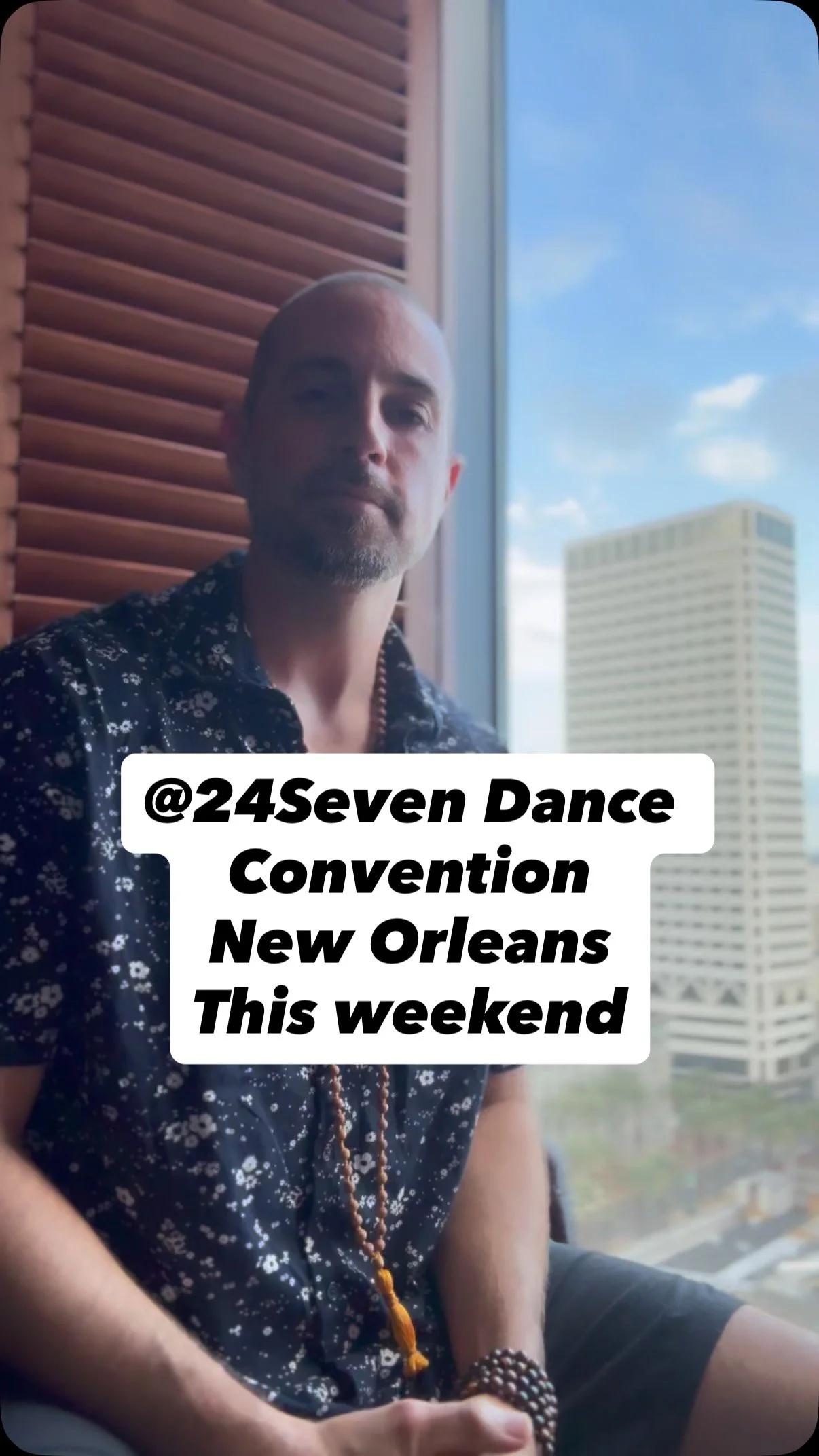
What if winning could become a path to growth, rather than a way to prove that we are worthy of love?